
Our research
Understanding surgery.
Building what comes next.
Foundation models for the operating room. Simulation is where we start.
Foundation models have not reached the operating room.
Modern models can write code, prove theorems, and pilot drones. They cannot operate. Perception under uncertainty and fine motor control in a physical environment remain out of reach.
Every laparoscopic operation produces a dense record of anatomy, instruments, and decisions. It is one of the largest untapped supervised data sources in medicine. We believe this is the substrate on which a general model for surgery can be built.
The OpenSurgery Environment.
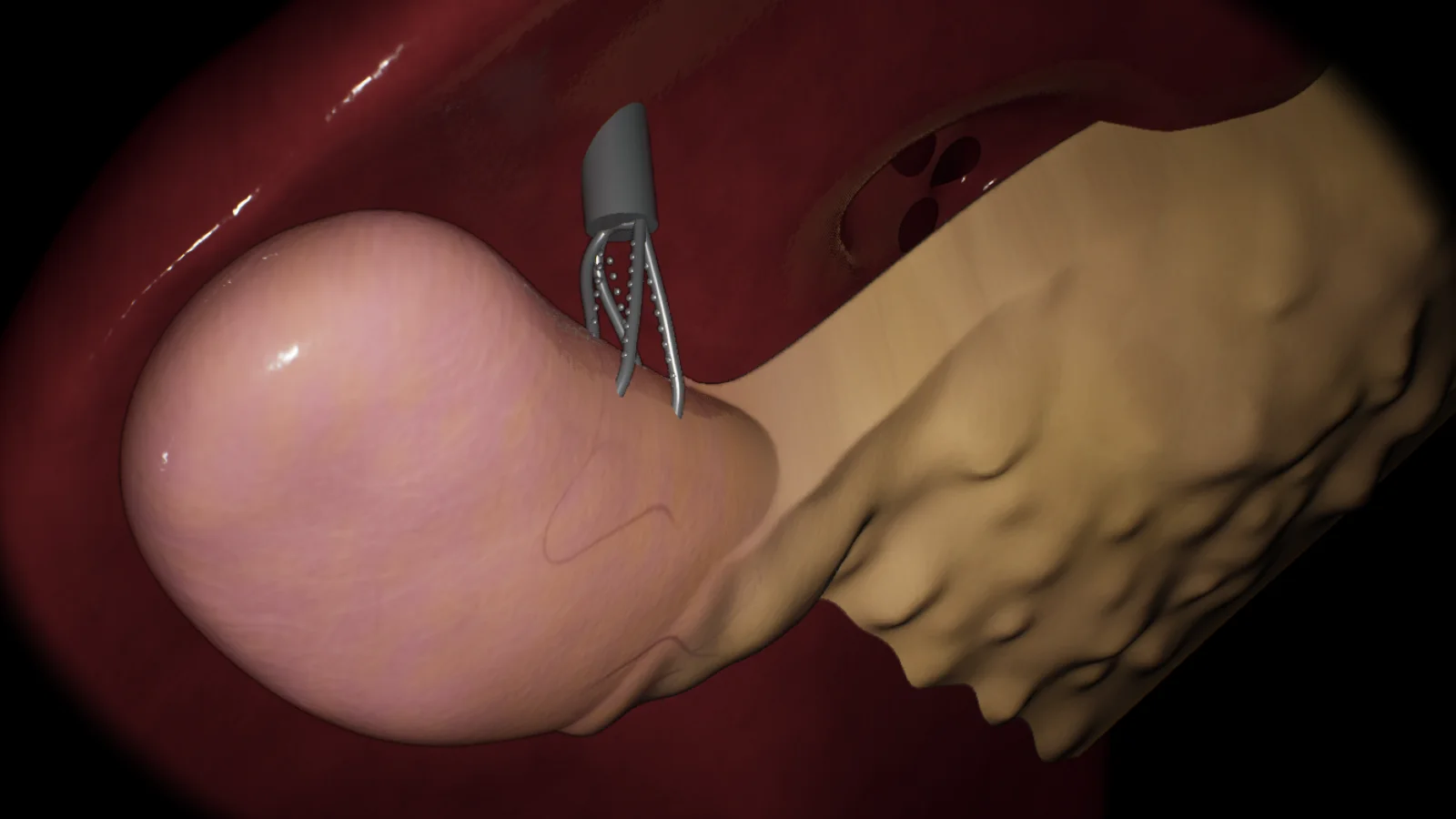
Our first environment is a high-fidelity simulator of laparoscopic cholecystectomy. Cholecystectomy is the most common laparoscopic operation in the world, well-defined, safety-critical, and characterised in detail in the surgical literature. The right place to start.
The environment is where our own models are trained and evaluated. It will also ship as a published benchmark, with defined tasks, observation and action spaces, and reward signals, so that any lab building surgical AI has somewhere rigorous to test it.
- Procedure
- Cholecystectomy
- Approach
- Laparoscopic
- Status
- In development
Alongside surgeons,
in real operations.
A meaningful fraction of the harm that reaches patients in the operating room is caused by errors a second pair of trained eyes would have caught. Bile duct injury during cholecystectomy is the canonical example. It is preventable and it is still common.
Our longer research programme is a model that consumes the laparoscopic video feed in real time, understands what is happening, and helps the surgeon see what they might otherwise miss. The simulator is how we get there.